
New Research Points to Shared Treatment Possibilities for NF2-SWN Tumors
Author: A.I. Summery from Acta Neuropathologica Communications: Grace E. Gregory, Michael J. Haley, Adam Paul Jones, Leo A. H. Zeef, D. Gareth Evans, Andrew T. King, Pawel Paszek, Kevin N. Couper, David Brough and Omar N. Pathmanaban
Published On: 1/8/26
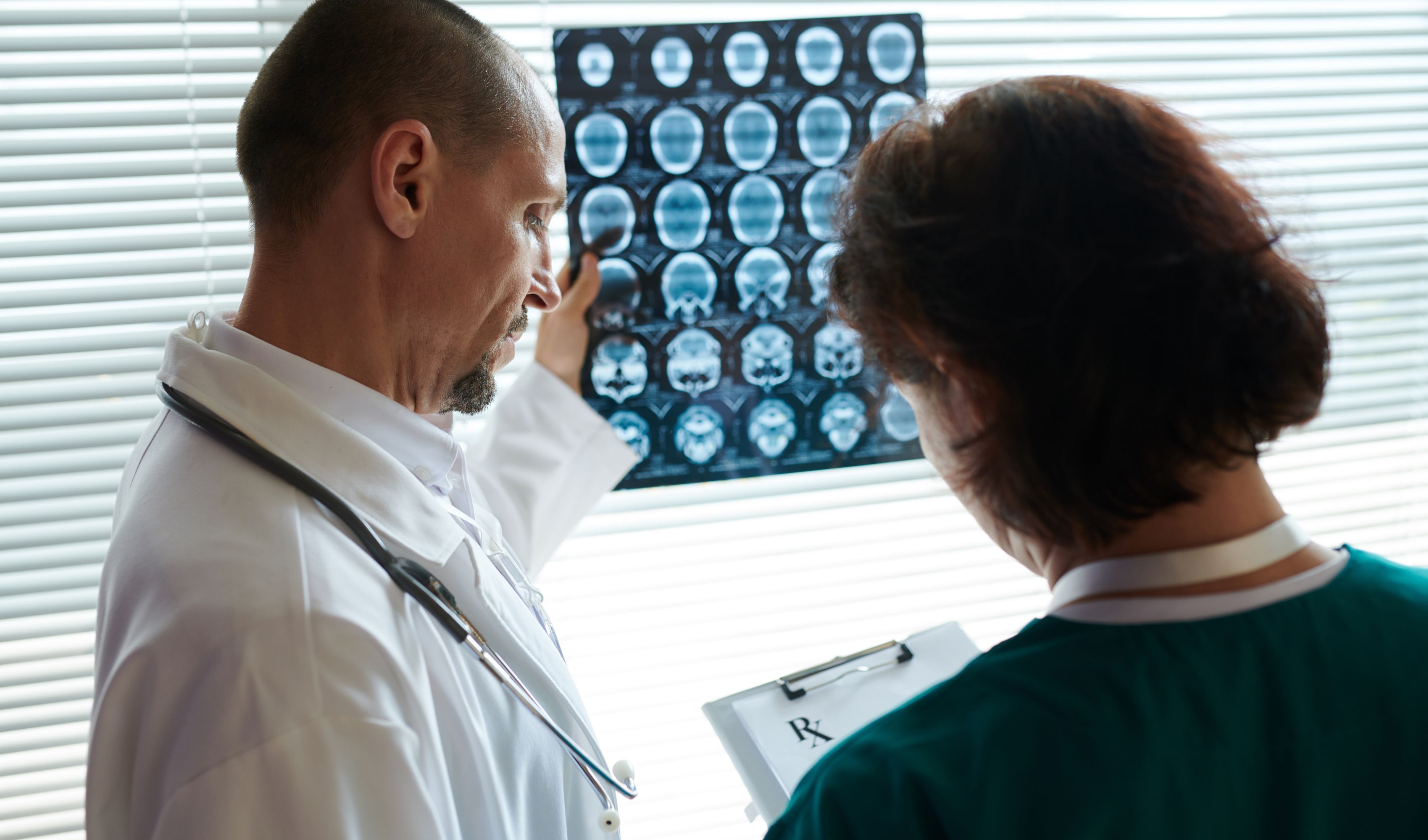
People living with NF2-related schwannomatosis often develop two common types of brain tumors: vestibular schwannomas and meningiomas. At this time, there are no medications that effectively treat both tumor types, which can make care more challenging for patients and families.
A new research study set out to better understand these tumors by looking at how the immune system interacts with them. The researchers wanted to know: Are there similarities between these tumors that could lead to shared treatment options?
To answer this, the team analyzed existing genetic data from tumor samples and took a closer look at the immune cells inside each tumor. They focused especially on immune cells known as T cells and macrophages, which play important roles in inflammation and tumor growth.
The study found that vestibular schwannomas generally contain more immune cells than meningiomas. In particular, they have higher numbers of a type of macrophage that can sometimes support tumor growth. However, in meningiomas, several immune cells—including CD8 T cells—appeared to be more active, even though they were present in smaller numbers.
Despite these differences, the most encouraging finding was that both tumor types share common treatment targetswithin their immune environments. This means that the same medications could potentially work for both tumors.
Importantly, the researchers identified several FDA-approved drugs—currently used to treat other conditions—that may be able to target these shared pathways. These drugs include bosutinib, sorafenib, mitoxantrone, and nintedanib. While these medications have not yet been tested in people with vestibular schwannomas or meningiomas, they represent promising candidates for future research.
Because these drugs are already approved for other uses, studying them for NF2-related tumors could be faster than developing new treatments from scratch. This approach, known as drug repurposing, may help speed up access to new treatment options for the NF2 community.
While more research and clinical trials are still needed, this study offers encouraging progress toward treatments that could benefit people affected by both vestibular schwannomas and meningiomas—and ultimately improve care for those living with NF2-related schwannomatosis.
Find upcoming NF Events Donate to NF Stay iNFormed
Want to view archived newsletters? Click Here!
Newsletter
Sign up to receive the latest neurofibromatosis news and information in your inbox!
Subscribe