
After the Last Infusion: What One NF Mom Wishes People Knew
Author: NF Network, Moving Mountains for Maddie
Published On: 10/5/26
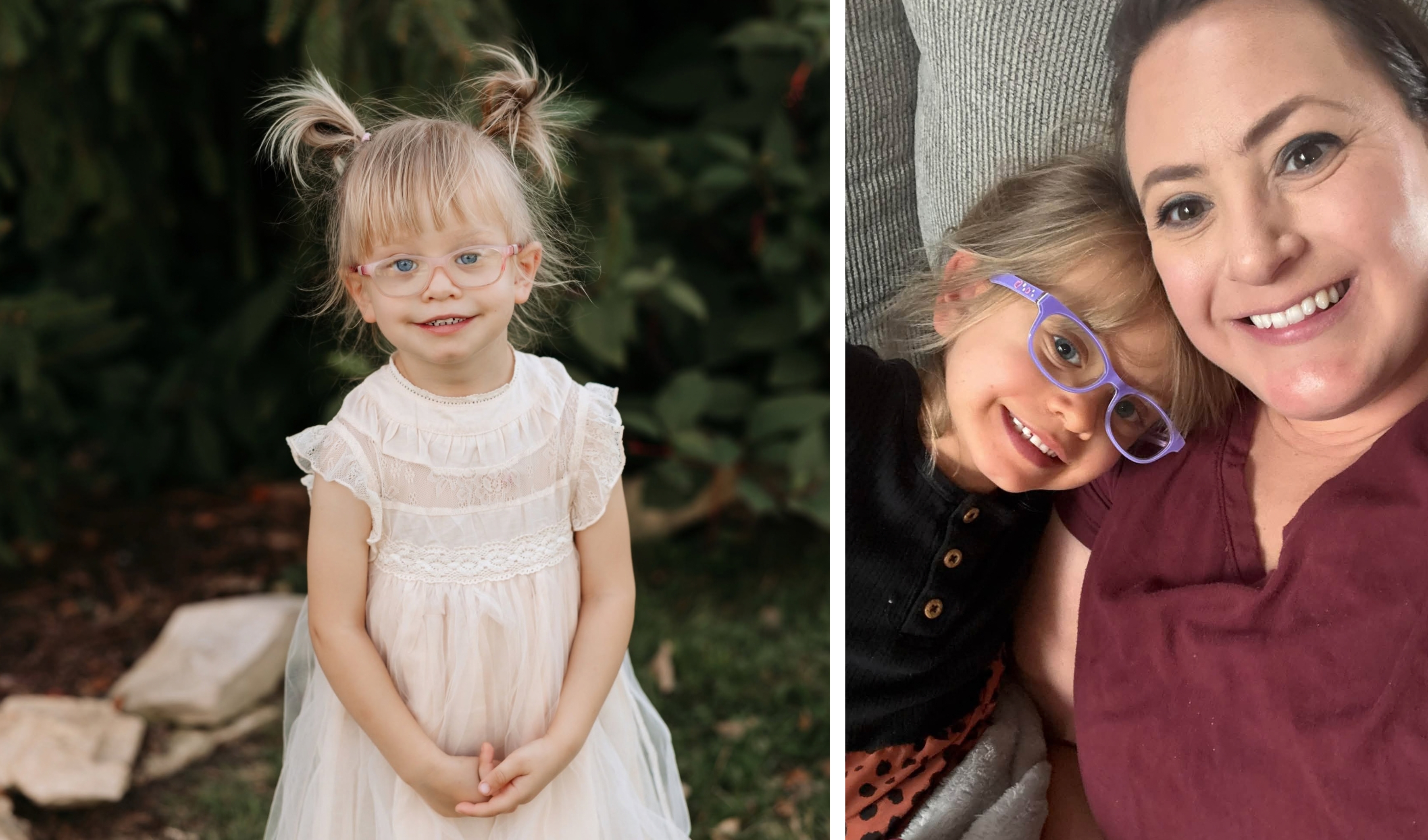
Ringing the bell after a child's last chemotherapy infusion is one of the most anticipated moments a family can have. It is also, as one NF mom recently reminded us, not the end of the story.
Maddie is five years old and lives with neurofibromatosis type 1 (NF1). Her family shares her journey through Moving Mountains for Maddie, and after she finished chemotherapy, her mom posted a series of slides titled "8 Things I Wish People Knew After My Child Finished Chemotherapy … from a mom still living it."
When the NF Network came across the post, we were deeply moved by it. It puts words to something many NF families feel but rarely hear said out loud: that life after treatment carries its own weight, and that the people around you still matter long after the last infusion. With her family's blessing, we're sharing her reflections here.
The eight things
1. Finishing chemotherapy doesn't mean the story is over. The family dreamed of the day there would be no more weekly infusions, no more port accesses, and no more planning life around chemo. When it came, they celebrated. But MRIs, ophthalmology appointments, specialists, and the wait for results all remained. As Maddie's mom puts it: "Chemotherapy ended. Living with everything that brought us there didn't."
2. "Stable" is one of the most beautiful words we can hear. After watching a tumor grow, stable means no progression, watching instead of treating, and a chance to exhale. The family is grateful for every stable scan. Still, every MRI comes with a small voice asking, What if something changed? Stable brings enormous relief, but it doesn't erase what they've been through.
3. Chemotherapy ended. NF1 didn't. For a long time, treatment was the loudest part of Maddie's story. But NF1 is lifelong. It means continued monitoring, appointments, MRIs, watching for changes, and knowing other complications can happen while hoping they never do. Learning to carry that uncertainty is its own task: "We celebrate where she is today while still living with what we cannot predict."
4. Ordinary sickness doesn't always feel ordinary anymore. During chemo, one number on a thermometer could mean phone calls, bloodwork, cultures, antibiotics, the ER, or a delayed treatment. Maddie isn't in that place now, but her parents' brains remember. A fever, an unexpected bruise, or a strange symptom can still send their thoughts somewhere other parents might not go. In her words, the emergency may be over, but "that doesn't mean your nervous system got the memo."
5. We can be incredibly grateful and still grieve what happened. The family is grateful beyond words for finished chemo, stable scans, school days, dance class, hair growing back, her laugh, and watching her simply be five. At the same time, her mom can hate that Maddie ever had to learn what a port was, and grieve the vision she lost and the pieces of childhood treatment interrupted. Those feelings don't cancel each other out. Gratitude and grief can live in the same heart.
6. Being brave doesn't mean she wasn't scared. People have called Maddie brave more times than her mom can count, and she is. But bravery didn't always look like smiling through treatment. Sometimes it looked like crying before a port access, saying she didn't want to do it, and holding out her arm anyway. Sometimes bravery is being scared and doing the thing you never should have had to do in the first place.
7. Please keep asking about her, and keep including her. During treatment, people check in constantly. Then appointments space out, pictures look more normal, and life gets busy. The family understands. But hearing "How is Maddie doing?" still means so much. "You aren't reminding us of something we forgot," her mom writes. "You're reminding us that you remembered." And please keep inviting her to birthdays, playdates, and activities. Underneath NF1, MRIs, tumors, and vision appointments, she is still a little girl who wants to belong.
8. We remember the people who kept showing up. When something scary first happens, there are messages, meals, prayers, cards, and gifts. Then weeks become months, and months become years. The family notices those who still send the text, remember scan day, ask about her eyes, check on her brother Clay, ask how the parents are doing, and support NF research. It may seem like only a text, a prayer, a donation, or a hug. But they remember, and they will always remember the people who helped them move mountains.
In her words: there's no timeline
We asked Maddie's mom what led her to write the post. She told us it grew out of something she has been processing lately: in the middle of treatment, the family became so accustomed to everything that it almost started to feel "normal."
"Now that Maddie has finished chemotherapy and we have had some space from it, I'm realizing just how heavy that season truly was," she said.
The biggest thing she hopes other families take away is that there is no timeline for processing what you've been through. During treatment, the focus was on getting Maddie through each appointment, each infusion, each scan, and each next step. "There wasn't much room to stop and feel all of it," she explained. "In many ways, that part has come afterward."
Her hope is that the post reaches other NF families, especially parents sitting in an infusion room right now, and families who have finished treatment and are discovering that life afterward carries its own emotions and challenges. "If our experience helps even one family feel understood," she said, "it is worth sharing."
How we can keep showing up
Maddie's mom offers a simple roadmap for friends, family, and community members who want to support an NF family after treatment ends:
Keep asking "How is she doing?" long after the treatment photos stop.
Remember scan day, and celebrate the stable results with them.
Keep inviting the child to birthdays, playdates, and everyday activities.
Check on siblings and parents, too.
Support NF research, because it shapes the future for every family living with NF.
To every parent reading this from an infusion room, a waiting room, or the quiet after the last treatment: you are not alone, and whatever you're feeling now is allowed to arrive in its own time. Thank you to Maddie and her family for letting us share their story. You can follow along at Moving Mountains for Maddie.
Find upcoming NF Events Donate to NF Stay iNFormed
Want to view archived newsletters? Click Here!
Newsletter
Sign up to receive the latest neurofibromatosis news and information in your inbox!
Subscribe